What a Home Inspector Actually Looks For (And What You’re Missing)
Most buyers walk through a house and see the kitchen. The floors. The paint. Maybe they notice the backyard is a decent size. What they don’t see is the aluminum wiring behind the walls, the 50% chance of mold in a 1970s attic, or the fact that the gorgeous bathroom reno was done without a single permit.
I had Kyle Martinick on the Supply and Demand podcast — he’s been inspecting homes across York Region and the GTA for 10 years with Pillar to Post Home Inspectors. And honestly, this conversation changed how I look at houses. Not because I didn’t know inspections were important, but because the sheer number of things that can hide behind a fresh coat of paint is kind of wild.
Here’s what actually matters when you’re buying a home.
Top to bottom — there’s a reason for the order
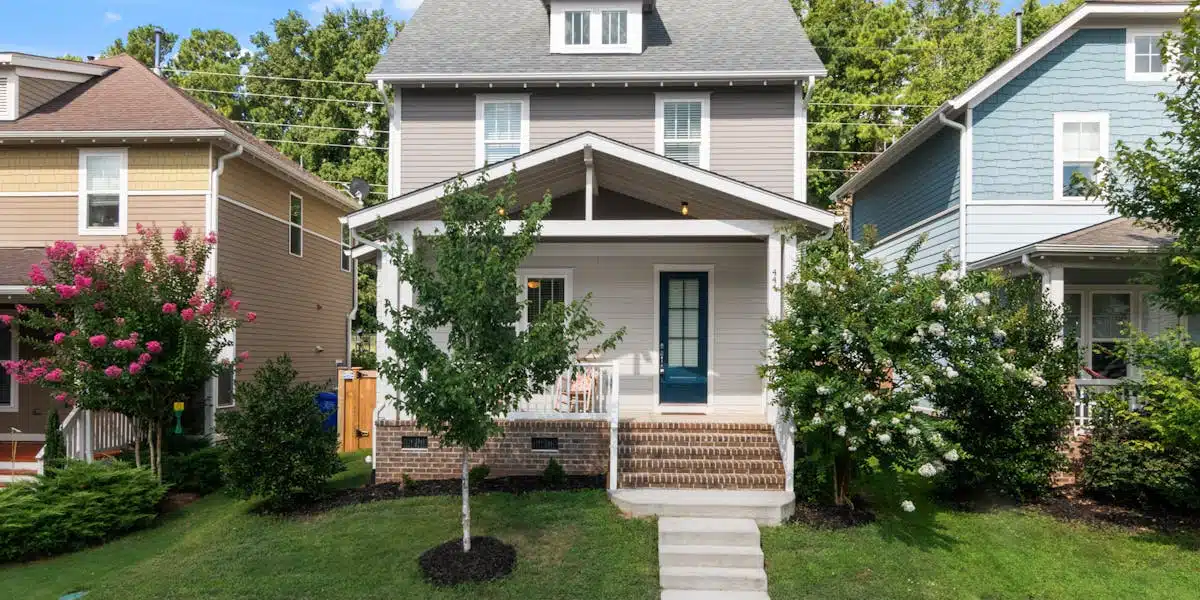
Kyle starts every inspection on the roof, usually 15 to 20 minutes before the buyer shows up. Then he works down — exterior, attic, each floor, basement. It’s not arbitrary.
“I always go from the top down because I’m going to be running all the plumbing fixtures and water drains downwards. So if there’s any leaks, I’m going to find it as I go down to the next floors.”
On the roof he’s checking shingles, flashing, drainage, chimneys, skylights. On the exterior it’s foundation, siding, grading, how close the landscaping is to the house. Inside, he starts at the ceiling of every room and works down with specialized tools that detect what your eyes can’t.
One thing Kyle’s big on: buyers should actually show up and walk through with the inspector. I know a lot of people just wait for the report. But there’s stuff you pick up standing there watching someone test your future home that no PDF can replicate.

You can spot roof problems from the driveway
You don’t need to be on a ladder for this. Even from the street, there are tells.
“Most of that you can usually see it. If it’s bad, you can see it from the ground almost always.”
Cracking, curling, or flaking shingles. Missing shingles. Black staining along the eaves troughs — that’s persistent moisture overflow, and it can mean mold. The detail most buyers miss: the south and west sides of a roof deteriorate faster because of sun exposure. So if the front of the house looks fine but the back faces south, you could be looking at a roof that’s already failing where you can’t see it.
And if the property has a flat roof — common on older Toronto homes — pay extra attention. Kyle’s direct about the risk:
“No flat roof should be truly flat. It needs to have slight slopeage so that water is draining off and going towards the drainage system.”
Flat roofs sag over time. Water ponds. Older flat roofs using modified bitumen asphalt are only designed to be waterproof for about 48 hours. Once water sits longer than that, leak risk climbs fast.
On shingle types, if you’re evaluating a roof or planning a replacement:
Metal roofing — Zero maintenance for 40 to 50 years, roughly triple the cost of shingles upfront but the long-term math is hard to beat.
Architectural shingles — The modern standard with a 25-year warranty.
Three-tab shingles — Kyle’s blunt: nobody should be putting those on their roof anymore. They break in windstorms constantly.
When a door doesn’t close right, it might not be the door
This was one of the most eye-opening parts of the conversation. When Kyle checks a door handle, he’s not actually checking the door handle.
“I’ll be checking the door handles more so for structural issues. That’s one of the most common areas that a structural issue will show up — at the top of a door frame.”
A door that won’t close properly could be a broken hinge. Sure. Or it could be a sign the house has shifted structurally. Slanting door frames, cracking at the tops of windows and doors, sagging bulkheads — these are all early indicators of structural movement that most buyers walk right past without a second thought.
Here’s where experience makes the difference. Kyle also looks at the age of the paint.
“If the paint looks like it’s five or ten years old and there’s no new cracking in it, then I know the structure hasn’t moved in five or ten years.”
Fresh paint in strategic locations — around door frames, ceiling corners, bulkheads — could be cosmetic. Or it could be concealing recent structural movement. An experienced inspector knows which one they’re looking at. You probably don’t.

The decade your house was built tells you almost everything
This might be the most useful thing Kyle shared. If you’re shopping in the GTA, where neighbourhoods span every era from the 1920s to last year, the building decade predicts the issues you’ll find with surprising accuracy.
Pre-1960s: Expect ungrounded wiring, possible knob-and-tube electrical, and galvanized steel plumbing. Insurance companies will flag all of it, and replacement costs are significant — especially galvanized water service lines, where the real expense is digging to the property line.
The 1970s — the problematic decade. Two big issues. First, builders started sealing homes for energy efficiency without accounting for condensation. Kyle estimates roughly a 50% chance of heavy mold in a 1970s attic. Second, aluminum wiring became standard when copper prices spiked.
“When the price came back down and builders switched back to copper, people started mixing these two in the home and they expand at different rates. So when they expand and contract, you get wires that separate and you get arcing — and that’s why homes burn down.”
The good news: aluminum wiring can be made safe through pigtailing — a licensed electrician bridges the aluminum to modern copper receptacles. Kyle’s estimate: $6,000 to $12,000 for a full home. That’s a negotiation point, not a deal-breaker. But you need to know it’s there.
1980s and newer: The building code improved substantially. Copper or PEX plumbing, plastic drainage, grounded electrical. Kyle calls the 1980s “the sweet spot” for buying in terms of construction quality relative to price. I think that tracks with what I see in the market.
The renovated home trap
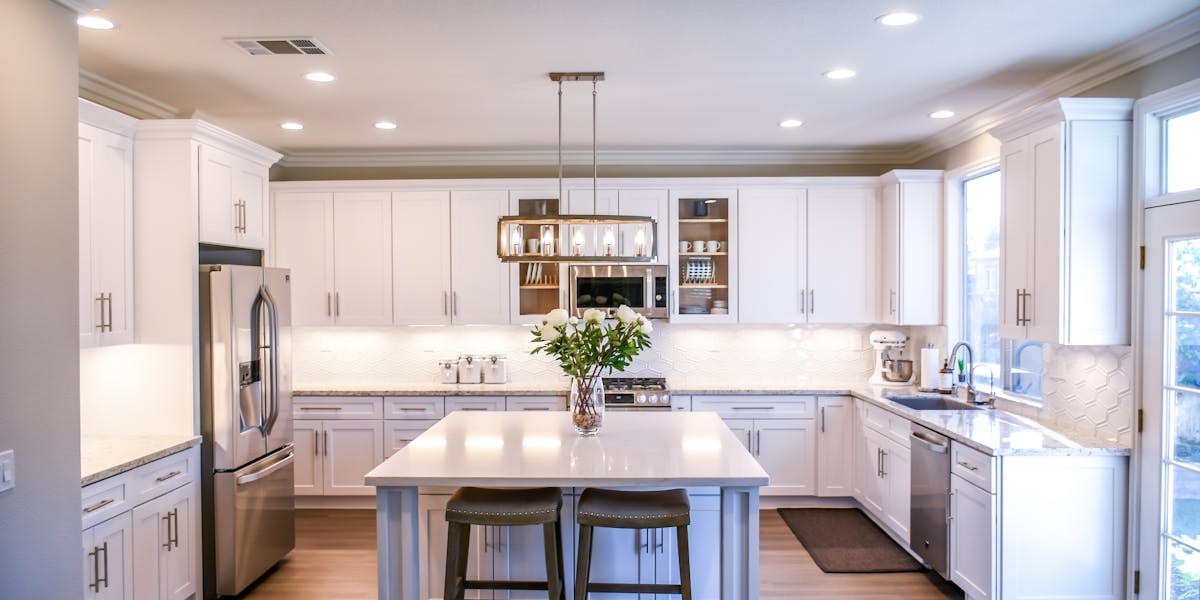
This might be the most important warning from the entire conversation. There’s this assumption among buyers that a beautifully renovated home doesn’t need an inspection. Kyle sees it the exact opposite way.
“A renovated house — you need an inspection more than anything. I don’t care about your granite countertops and engineered hardwood. I care about your electrical, your plumbing, your heating and cooling and any dangers in the house for you.”
Renovations done without permits, by a general contractor instead of licensed trades — that’s where the most dangerous problems hide. And they hide well. Kyle’s red flags for unpermitted work:
No GFCI outlets near water. Those are the receptacles with the test/reset buttons — should be in every bathroom, kitchen, and laundry area. If the basement bathroom doesn’t have them, the electrical wasn’t done by a licensed electrician. Full stop.
S-traps instead of P-traps under sinks. It’s a plumbing shortcut that can siphon the water seal and let sewer gas into your living space. Sounds minor. It’s not.
Unsecured bathtubs. When a standalone tub isn’t anchored to the floor, the only thing holding it in place is the drain pipe. That’s a crack and leak waiting to happen.
“I’ve seen houses that look gorgeous and they were beautifully renovated. And I’ve seen something that looks the exact same from the outside on the surface and it’s terrifying what the contractors did, what you can’t see.”
Granite countertops are not a substitute for building permits. I can’t stress that enough.
Yes, condos need inspections too
I hear this all the time: “It’s a condo, what’s there to inspect?” A lot, actually. Especially plumbing.
There’s a material called Kitec — a type of plumbing installed between 1995 and 2007 with brass fittings that corrode, bubble, and burst. There’s an active class-action lawsuit. Many condo corporations require unit owners to replace it at their own expense. It comes in several colours and roughly 15 brand names — which makes it hard to identify unless you know what you’re looking for.
“You want to have an inspector come in who’s familiar with it and looking for it.”
If you’re buying a condo built in that 1995-2007 window, this alone justifies the cost of an inspection.

Water damage: the most expensive problem, and the most preventable
Water is the most common and most costly issue Kyle sees in GTA homes. And the defenses are almost stupidly simple — they’re just frequently neglected.
The ground within six feet of your foundation should slope away from the house. Downspouts should extend four to six feet out. Those two things alone prevent a huge portion of basement water problems.
“About 90% of homes don’t have a waterproofing membrane in between the garden and the structure. The garden is all soil, which holds moisture. People water their gardens. So you’re adding moisture to it as well.”
Your garden might literally be pushing water into your foundation. Slowly, over years, creating hydrostatic pressure. Even a hairline crack becomes a leak source eventually.
On sump pumps: Kyle sees 25-year-old pumps that technically still trigger but are gunked up and rusted. They fail during heavy rainstorms — exactly when you need them most. Replace aging pumps before they fail. And even properties that don’t seem like flood risks can sit on old marshland with high groundwater. You’d never know until it rains hard enough.
For foundation cracks — almost every home has them — epoxy injection is the move for poured concrete foundations. The contractor drills along the crack, washes it out, fills it with epoxy that expands and contracts with the house. Unlike rigid cement that re-cracks or caulking that deteriorates, epoxy moves with the structure. Most contractors offer a 10-year or lifetime warranty.
The carbon monoxide thing that genuinely scared me
This was the part of the conversation that stopped me cold. Current Ontario fire code only requires carbon monoxide detectors in the hallway outside bedrooms — typically only on the second floor of a two-storey home. Kyle thinks that’s dangerously insufficient. And after hearing his explanation, I agree.
“Carbon monoxide is a heavier gas that will slowly fill up your house from the basement. Most carbon monoxide starts with the combustion appliances in the basement like your water heater, your furnace. Do you really want to wait until your entire home is filled up with carbon monoxide until that goes off while you’re sleeping?”
Current Ontario code only requires one detector outside bedrooms. Kyle recommends a CO detector on every floor, starting in the basement where combustion appliances live. Use plug-in wall units, not ceiling-mounted — CO can fill the space around your bed before reaching a ceiling sensor. Cost: under $50 each.
His recommendation: a CO detector on every floor, starting with the basement. Plug-in wall units, not ceiling-mounted — because carbon monoxide can fill the space around your bed before it reaches a ceiling sensor.
“I feel like I’m doing an injustice not making this recommendation to my clients. Some other inspectors are like, ‘Oh, it’s not part of building code — why would you put that in your report?’ And I’m like, this is people’s lives.”
Carbon monoxide detectors cost under $50. There is no rational argument for not having one on every level of your home. Just do it.
Two things to bring to every showing
You don’t need a professional toolkit. Kyle recommends two items any buyer can bring:
Receptacle tester (~$20): Plug it into any outlet — tells you if wiring is grounded, if hot/neutral are reversed, and if GFCI works. Essential for pre-1970s homes.
A magnet: Hold it to exposed pipes near the water meter. If it sticks, you’ve got galvanized steel plumbing — insurance companies flag it, and it corrodes from the inside out with zero warning.
A receptacle tester (~$20). Plug it into any outlet and it tells you whether the wiring is grounded, whether hot and neutral are reversed, and whether GFCI protection works. Especially useful in pre-1970s homes.
A magnet. Hold it to exposed pipes near the water meter. If it sticks, you’ve got galvanized steel plumbing — insurance companies flag it, and it corrodes from the inside out with zero exterior warning.
Twenty bucks and a fridge magnet. That’s it. Those two things can reveal deal-shaping information before you ever book a formal inspection.
The bottom line
A home inspection isn’t about finding reasons to walk away. It’s about knowing what you’re actually buying — the good stuff, the stuff that needs work, and the stuff that could hurt someone. In this market, where buyers have the leverage to include inspection conditions, there is no good reason to skip this step.
Whether it’s a 1970s bungalow with aluminum wiring, a beautifully staged flip with nightmare plumbing behind the walls, or a condo with Kitec pipes, the cost of an inspection is a fraction of what these issues cost to discover after you’ve already closed.
Frequently Asked Questions
Do I really need a home inspection for a condo?
Is asbestos in my home dangerous?
How much does it cost to fix aluminum wiring?
Should I skip the inspection if the house was just renovated?
What’s the most affordable thing I can do right now to protect my home from water damage?
Watch the Full Episode
Watch the Full Conversations
Hear the complete discussions on the Supply and Demand podcast:
Part 1: Home Inspection Tips for Buyers
Part 2: A Home Inspector’s Guide to Looking at Houses