What Actually Sells a Home Fast in the GTA
Here’s something most sellers don’t want to hear: the number one reason homes sit on the market isn’t bad luck. It’s bad pricing. I’ve watched it happen hundreds of times across Vaughan, Markham, Thornhill, and every pocket of York Region — a great house, nicely kept, sitting for 40, 50, 60 days because someone picked a number based on what they wanted instead of what the market was telling them.
So let’s talk about what actually moves a home quickly — and I don’t mean “quickly at a discount.” I mean quickly at fair market value or better.

Price it like you understand the market
This is where most of the work happens, and it happens before the listing even goes live. Pricing isn’t about picking a number you’d be happy with. It’s about understanding where buyers are actively spending money right now — not six months ago, not in a different neighbourhood.
I think the biggest mistake I see sellers make is anchoring to what their neighbour sold for in 2022. That comp is ancient history. The GTA market moves in cycles, and what a detached home in Aurora fetched during a bidding war three years ago has very little to do with what it’ll fetch today.
What matters is the last 30 to 60 days of comparable sales within a tight radius. Same house type, similar size, similar lot. If those comps are telling you $1.05M and you list at $1.15M because you “need” $1.15M — you’re going to sit. And here’s the painful part: the longer you sit, the less you get. Buyers see a listing that’s been up for three weeks and they start wondering what’s wrong with it.
There’s a strategic version of this too. In neighbourhoods with high buyer activity — parts of Richmond Hill, Newmarket, certain pockets of Vaughan — pricing slightly below market value can generate competing offers. That’s not “giving your home away.” That’s creating urgency. But it only works when the data supports it, and when your agent actually understands the micro-market you’re in. Not every street behaves the same way.
Priced Right
- Generates serious interest within 2 weeks
- Competing offers become possible
- Momentum builds — buyers feel urgency
Overpriced
- Sits 40-60 days with few showings
- Serial price drops signal desperation
- Buyers wonder “what’s wrong with it?”
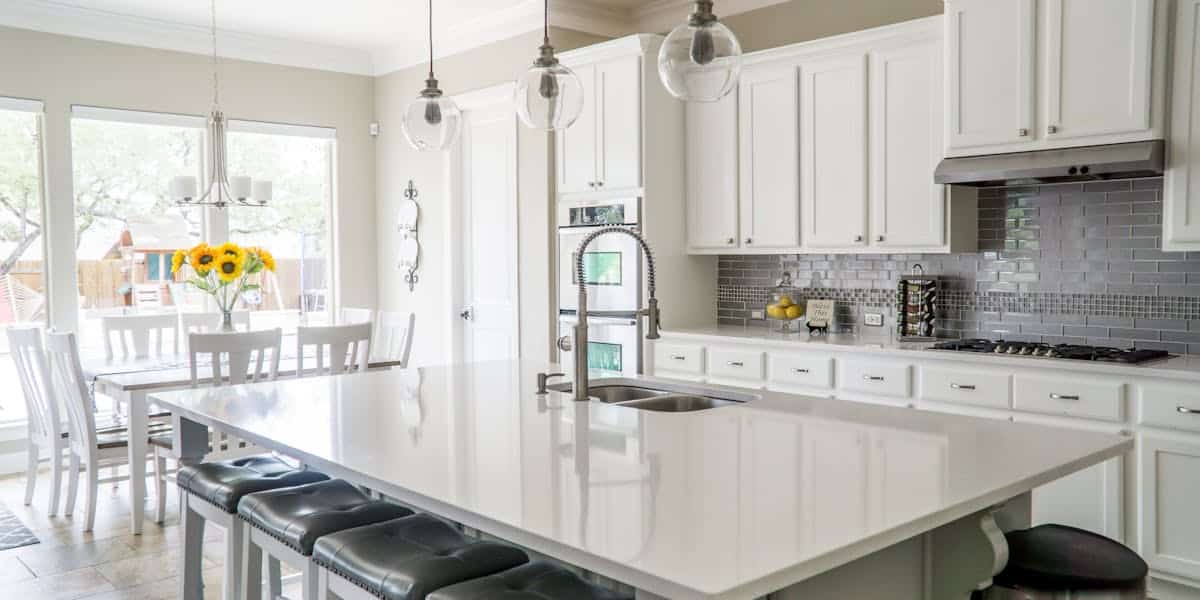
Presentation isn’t optional — it’s the second price tag
I’ll put it bluntly: buyers decide how they feel about your home in the first 10 seconds of walking through the door. Sometimes faster. And that feeling directly translates into what they’re willing to offer.
Staging isn’t about making your home look like a magazine. It’s about removing the friction between a buyer walking in and a buyer writing an offer. That means decluttering aggressively — and I mean aggressively. If you can see the bottom of your closet, you’re probably not done. Personal photos, kids’ artwork on the fridge, that collection of ceramic frogs — all of it goes into storage.
The goal is to let buyers project their own life onto the space. The moment they’re thinking about your life, they’ve stopped imagining theirs.
Professional photography matters more than most sellers realize. Over 90% of buyers start their search online, and they’re scrolling fast. You get maybe two seconds with a listing photo before someone swipes past. Dark, phone-camera shots of a living room with the TV on? That’s a skip. Bright, wide-angle, professionally lit photos with clean sight lines? That gets a click, which gets a showing, which gets an offer.
I’ve seen the difference this makes in real numbers. Two nearly identical semis in Thornhill — same model, same street. One had professional photos and light staging. The other had the owner’s iPhone pictures. The staged one sold in six days. The other took five weeks and sold for $22,000 less. Same house. Different presentation.

Marketing that goes beyond the MLS
Putting your home on MLS and waiting for showings is not a marketing strategy. It’s the bare minimum. And the bare minimum doesn’t sell homes fast.
What does? Targeted exposure. Your home needs to show up where the right buyers are actually looking — not just on realtor.ca, but across social media, email networks, and through agent-to-agent channels. A good agent has a database of active buyers and other agents with active buyers. That’s how homes sometimes sell before they even hit the public market.
Video walkthroughs and virtual tours aren’t gimmicks anymore. They’re how out-of-town buyers, busy professionals, and relocation clients decide which homes are worth seeing in person. If your listing doesn’t have video, you’re invisible to a growing chunk of the market.
The point is this: speed comes from preparation. Price it right, present it well, and make sure the right people see it. That’s it. There’s no secret trick. There’s just doing the fundamentals properly — which, frankly, a lot of listings don’t.
Use the last 30-60 days of comparable sales in your immediate area. What your neighbour sold for in 2022 is irrelevant. The longer you sit, the less you get.
Professional staging and photography typically cost $2,000-$5,000 but consistently return multiples of that in your final sale price and speed to sell.
Social media, video tours, email networks, and agent-to-agent channels put your home in front of buyers that MLS alone will never reach.

Frequently Asked Questions
How long should it take to sell a home in the GTA?
It depends entirely on your market segment and price point, but a well-priced, well-presented home in most parts of Toronto and York Region should be generating serious interest within the first two weeks. If you’re past 21 days with minimal showings, something needs to change — usually the price.
Is it worth spending money on staging?
Almost always yes. A typical staging investment for a GTA home runs $2,000 to $5,000, and the data consistently shows staged homes sell faster and for more money. I think of it as the highest-ROI renovation you can do — you’re not changing the house, you’re changing how people feel when they walk in.
Should I price low to start a bidding war?
Only if the market conditions support it. In a balanced or slower market, underpricing can backfire — you might get one offer at your list price and feel stuck. This strategy works best in high-demand areas with limited inventory. Your agent should be able to show you recent examples of where this has and hasn’t worked nearby.
What’s the biggest mistake sellers make when trying to sell fast?
Overpricing and then doing a series of small price reductions. Every reduction signals desperation to buyers. It’s far better to price it right from day one than to chase the market down over eight weeks. By the time you land where you should’ve started, you’ve lost momentum and probably money.
Watch the Full Conversation
Hear the complete discussion on the Supply and Demand podcast: